
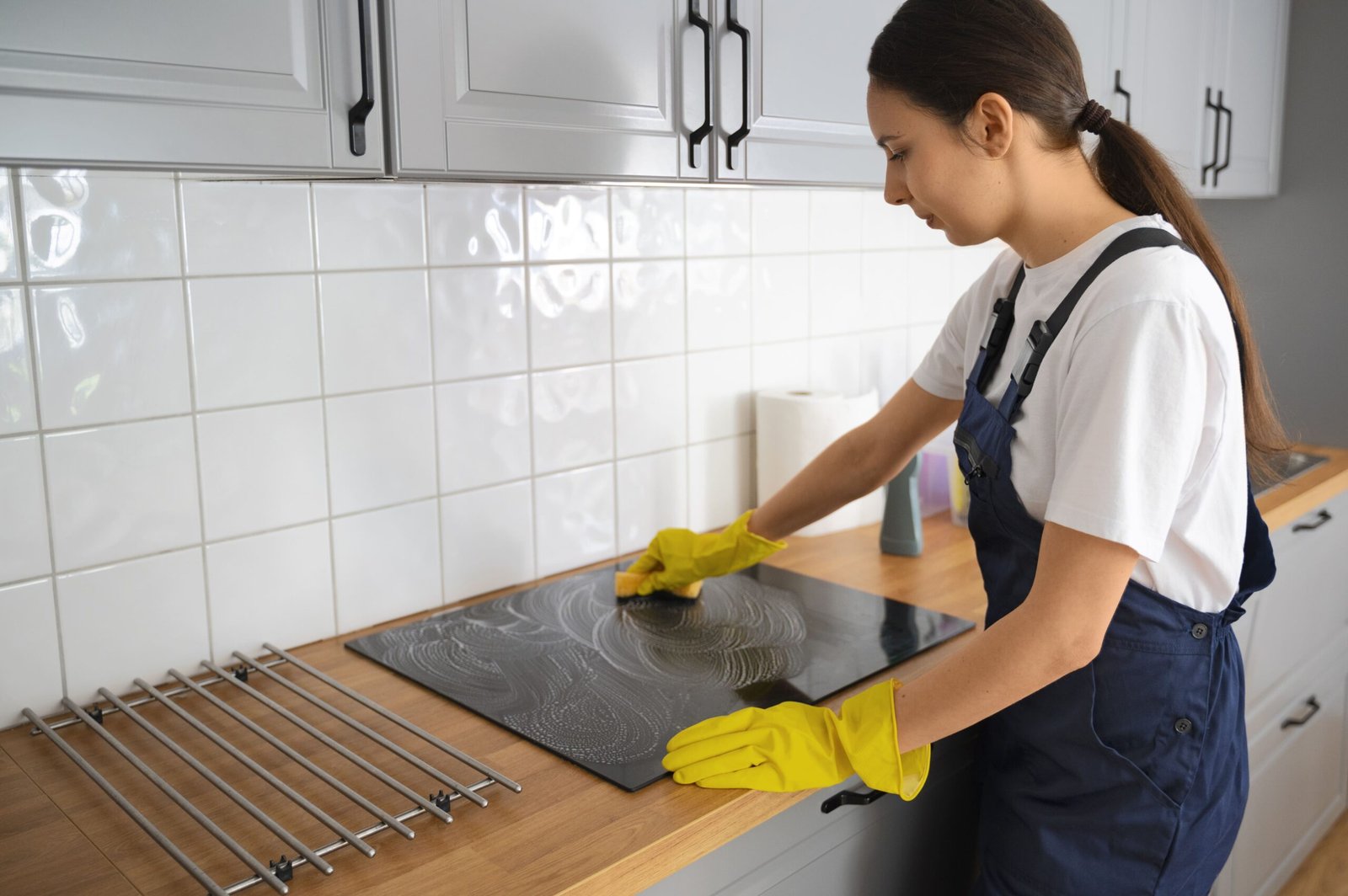
The kitchen is one of the most frequently used areas in any home. It is where meals are prepared, groceries are stored, and families often gather throughout the day. Because of its constant use, the kitchen can also become a breeding ground for bacteria, germs, and food contamination if it is not cleaned properly.
For homeowners in Toms River, maintaining a germ-free kitchen is essential for protecting the health of family members and creating a clean, comfortable living environment. Fortunately, with the right habits and cleaning routine, you can significantly reduce the presence of harmful germs in your kitchen.
Clean Countertops Daily
Kitchen countertops come into contact with food, grocery bags, cooking utensils, and many other items throughout the day. Wiping countertops regularly helps remove bacteria, crumbs, and food residue that can attract pests and promote germ growth.
Using an appropriate disinfectant after preparing meals can help keep surfaces sanitary and safe for food preparation.
Disinfect Frequently Touched Surfaces
Some of the germiest areas in a kitchen are often the ones people overlook. Frequently touched surfaces can quickly accumulate bacteria from hands and food handling.
Pay special attention to:
- Refrigerator handles
- Cabinet knobs
- Drawer pulls
- Faucet handles
- Light switches
- Appliance controls
Regular disinfection of these surfaces helps minimize the spread of germs throughout the kitchen.
Wash Dishes Promptly
Leaving dirty dishes in the sink allows bacteria and odors to develop. Food residue can attract insects and create an unhealthy environment.
Washing dishes immediately after meals or loading them into the dishwasher can help maintain a cleaner and more hygienic kitchen. Don’t forget to sanitize dish sponges and brushes regularly, as they can harbor bacteria if left damp for extended periods.
Keep the Sink Clean
Many people assume kitchen sinks are clean because water runs through them regularly. In reality, sinks can contain significant amounts of bacteria due to food particles and moisture.
To maintain cleanliness:
- Rinse the sink after use
- Scrub the basin regularly
- Disinfect sink surfaces
- Clean the drain periodically
A clean sink contributes greatly to a germ-free kitchen environment.
Store Food Properly
Proper food storage helps prevent contamination and spoilage. Raw meat, dairy products, fruits, and vegetables should be stored according to recommended guidelines.
Make it a habit to:
- Refrigerate perishable items promptly
- Seal food containers tightly
- Check expiration dates regularly
- Clean refrigerator shelves when spills occur
Good food storage practices help protect your family from foodborne illnesses.
Empty the Trash Frequently
Kitchen trash bins can quickly become a source of odors and bacteria. Food waste left sitting for extended periods may attract insects and promote germ growth.
Take out the trash regularly and clean the trash container periodically to reduce bacteria and unpleasant smells.
Clean Appliances Regularly
Appliances often collect grease, food residue, and dust. While many homeowners clean visible surfaces, interior areas are often neglected.
Focus on cleaning:
- Microwave interiors
- Refrigerator shelves
- Oven surfaces
- Toasters
- Coffee makers
Keeping appliances clean helps maintain both hygiene and performance.
Sweep and Mop Floors Often
Kitchen floors collect crumbs, spills, dirt, and moisture every day. Regular sweeping removes debris while mopping helps eliminate bacteria that may accumulate on hard surfaces.
High-traffic kitchens may benefit from more frequent floor cleaning to maintain cleanliness and prevent the spread of germs.
Replace Cleaning Supplies When Needed
Cleaning tools themselves can become sources of bacteria if not maintained properly. Sponges, cloths, and mop heads should be cleaned regularly and replaced when worn out.
Using clean supplies ensures that germs are removed rather than spread from one surface to another.
Consider Professional Cleaning Services
Even homeowners who follow a regular cleaning routine may occasionally need extra help maintaining a truly spotless kitchen. Professional cleaners can provide thorough cleaning that addresses hard-to-reach areas, stubborn grease buildup, and overlooked spaces.
Many homeowners choose trusted cleaning services because they offer a deeper level of cleanliness and help maintain a healthier home environment. Working with expert professionals ensures your kitchen receives detailed attention while saving you valuable time.
A top rated cleaning company can help homeowners maintain a cleaner kitchen and improve overall household hygiene.
Final Thoughts
A germ-free kitchen starts with consistent cleaning habits and attention to detail. By regularly disinfecting surfaces, maintaining appliances, storing food properly, and keeping floors clean, homeowners can create a safer and healthier cooking environment.
Whether you handle routine maintenance yourself or work with professional cleaners, prioritizing kitchen cleanliness is one of the best ways to protect your family and enjoy a more comfortable home in Toms River.
If you are looking for a cleaning service provider or cleaner in Toms River, please contact us